Hiking is an exhilarating way to connect with nature, but having the right gear is essential for a safe and enjoyable experience. At adventurekitaccessories.com, we understand the needs of every hiking enthusiast, whether you’re a seasoned pro or just starting out. This article will guide you through the essential gear that should be on every hiker’s checklist, ensuring you are well-prepared for your next adventure.
Footwear: The Foundation of Your Hike
Your choice of footwear can make or break your hiking experience. Proper hiking boots or shoes provide the necessary support and traction on various terrains. Look for options that offer waterproofing, breathability, and a good grip to navigate rocky paths and muddy trails with ease.
When selecting hiking footwear, consider the type of terrain you will encounter. For rugged mountain trails, opt for sturdy boots with ankle support. If you plan on hiking in warmer climates, lightweight shoes may be more suitable. Remember to break in your footwear before hitting the trails to avoid blisters and discomfort.
Backpacks: Carrying Your Essentials
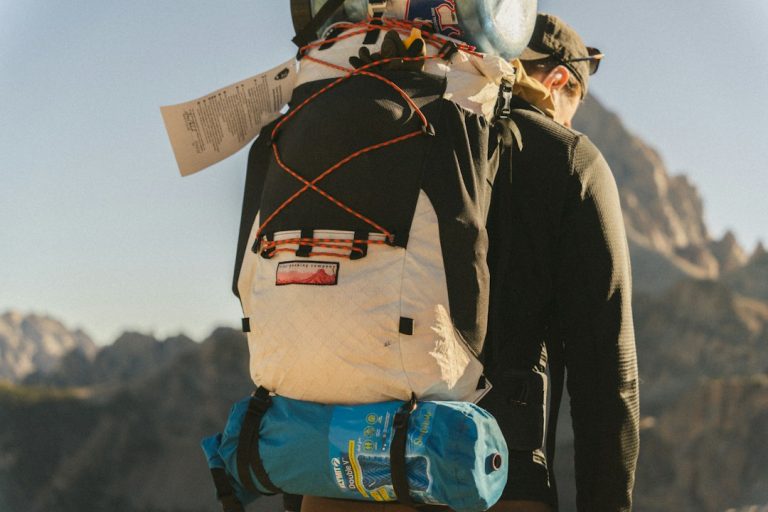
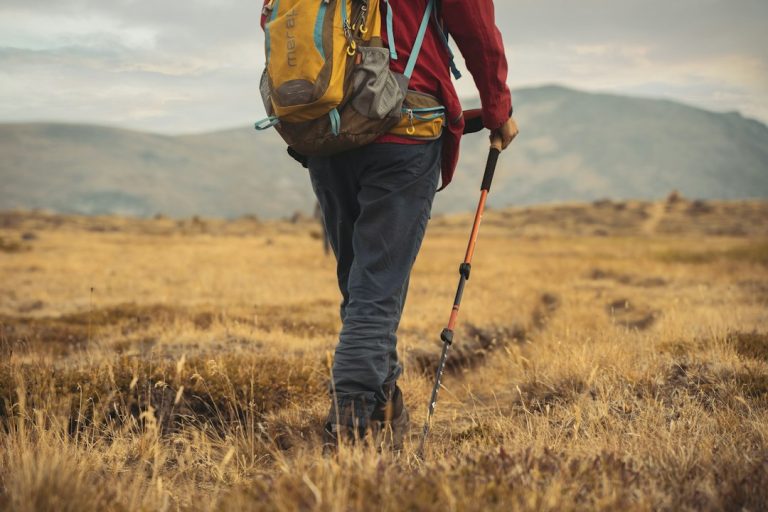
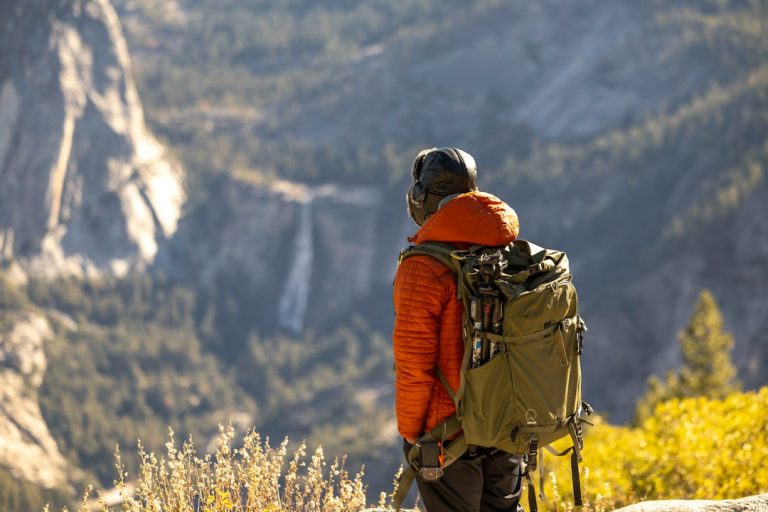
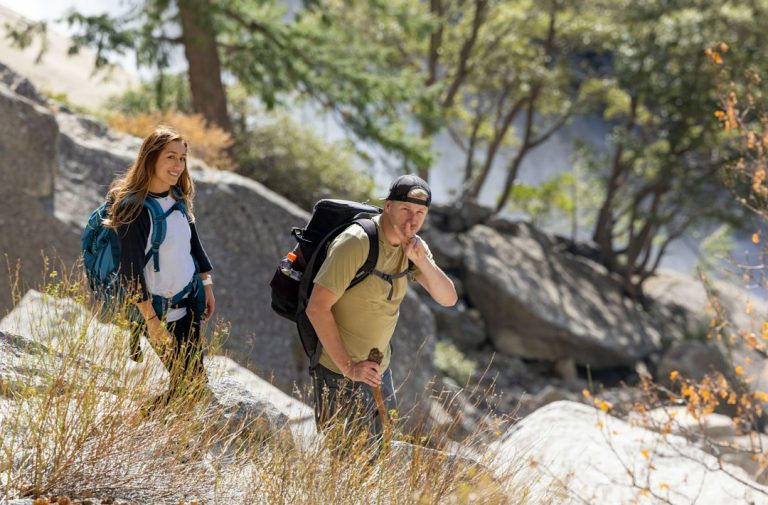
A reliable backpack is crucial for carrying your gear comfortably. Choose a backpack that fits well and has enough capacity for your essentials without being overly bulky. Look for features like padded straps, multiple compartments, and hydration reservoir compatibility to enhance your hiking experience.
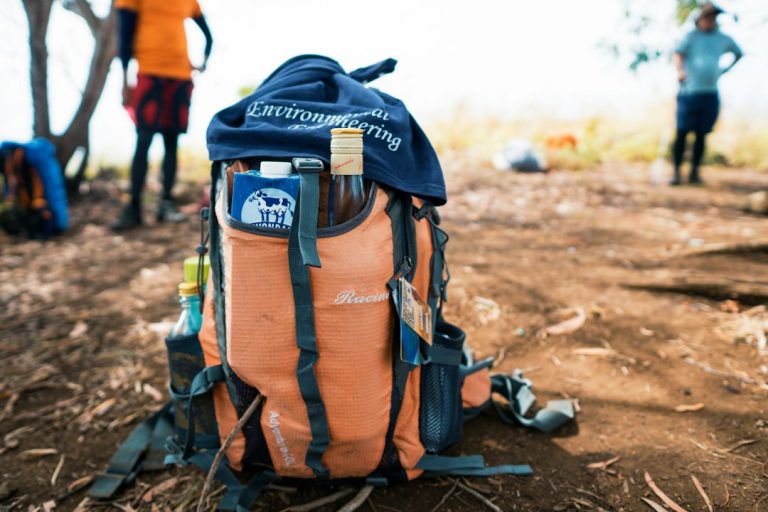
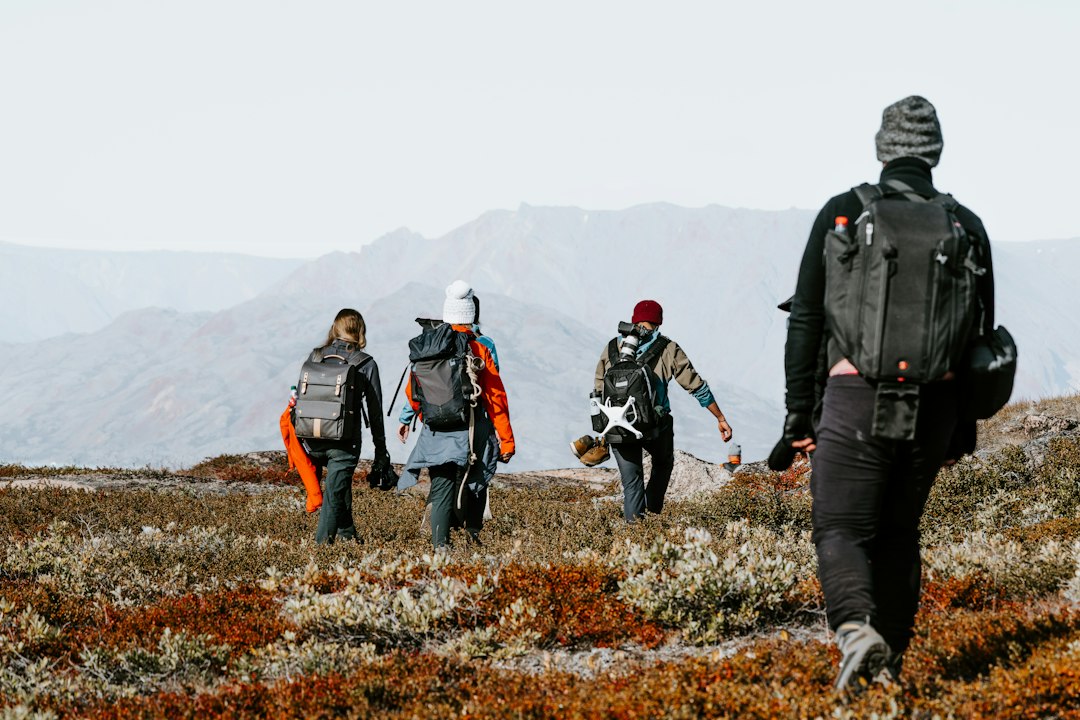
When packing your backpack, distribute weight evenly to maintain balance and reduce strain on your back. Include only the essentials, such as water, snacks, a first aid kit, and extra layers. A well-organized backpack will allow you to access your gear quickly and efficiently while on the trail.
Clothing: Dressing for the Elements
The right clothing can significantly impact your comfort level while hiking. Layering is key; start with a moisture-wicking base layer to keep sweat away from your skin. Add an insulating layer for warmth and a waterproof outer layer to protect against rain and wind.
Consider the weather conditions and adjust your clothing accordingly. In colder climates, thermal layers and gloves are essential, while in warmer weather, lightweight, breathable fabrics will help regulate your body temperature. Don’t forget a wide-brimmed hat and sunglasses for sun protection during those long hikes.
Navigation Tools: Staying on Track
Having reliable navigation tools is vital for any hiking trip. A good map and compass should always be part of your gear, even if you plan to use a GPS device. Familiarize yourself with reading maps and using a compass to ensure you can navigate effectively in case of technology failure.
In addition to traditional navigation tools, consider downloading offline maps on your smartphone or using a dedicated GPS device. Always carry a power bank to keep your devices charged, and remember to inform someone of your planned route and expected return time for safety.
Safety Gear: Be Prepared for Anything
Safety should always be a priority when hiking. A well-stocked first aid kit is essential for treating minor injuries. Include items like adhesive bandages, antiseptic wipes, pain relievers, and any personal medications you may need during your hike.
In addition to a first aid kit, consider carrying a whistle, a multi-tool, and a flashlight or headlamp. These items can be invaluable in emergencies, helping you signal for help or navigate in low-light conditions. Always be prepared for unexpected situations to ensure a safe hiking experience.
Step-by-step plan:
Step 1: Assess your hiking needs based on the terrain and duration of your trip. Step 2: Gather essential gear, including footwear, a backpack, and clothing. Step 3: Pack navigation tools and safety gear to ensure preparedness. Step 4: Review your checklist before heading out to confirm you have everything you need.